App Screenshots
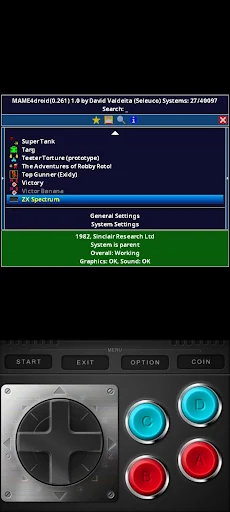
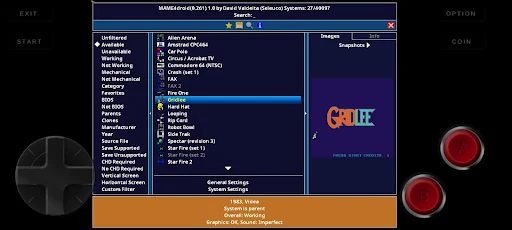
Retro arcade and computer system emulator.
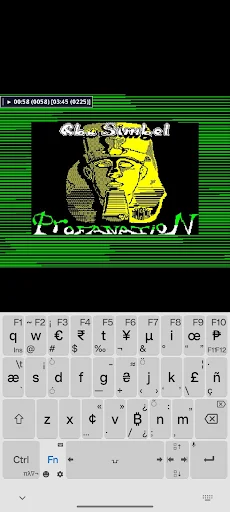
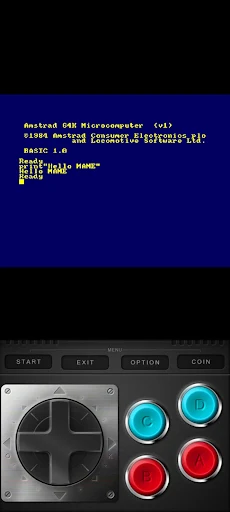
Emulating arcade systems and classic home computers like the ZX Spectrum, Amstrad CPC, and MSX is the central focus of MAME4droid Current (0.289). The emulator operates strictly as a framework to run user-provided software, supporting over 40,000 distinct ROMs across vintage hardware platforms. What sets this port apart is its hardware-accelerated vector simulation engine built on GLES 3.2, which physically models electron beams, optical bloom, and phosphor persistence to recreate the neon aesthetic of early vector-based arcade cabinets.
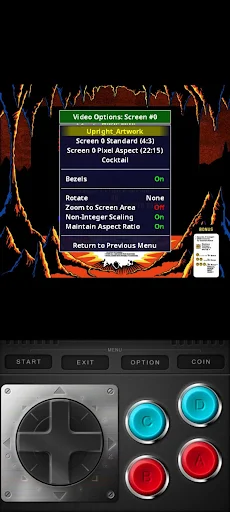
To replicate the appearance of legacy displays, the rendering engine includes a dedicated FP16 HDR path that leverages peak panel brightness on compatible screens, alongside SDR-to-HDR highlight expansion for traditional raster titles. Players can further modify the image output by enabling custom shader pipelines and overlay filters, such as CRT curvature and scanlines, through the system settings menu. A built-in 64-bit ARMv8 dynamic recompiler (arm64 DRC) handles the heavy processing required for complex 90s hardware, though high-end device hardware is necessary to achieve full frame rates on demanding 3D titles. Frame pacing tools and integration with the Android Dynamic Performance Framework work in tandem to regulate device thermals while preventing frame drops during play.
Local and remote multiplayer functionality relies on dual synchronization engines designed to match different game genres. Built-in Rollback NetPlay eliminates input latency during fast-paced action titles, while a Lockstep architecture handles the remaining system library over Wi-Fi or cellular networks. Because the software supports direct IPv6 connections, users can bypass standard mobile carrier CGNAT restrictions to establish peer-to-peer sessions without manual router reconfigurations. Session invites can be generated directly within the interface and shared through standard messaging services.
Input processing has been redesigned to support low-latency control hardware, including physical USB and Bluetooth gamepads with complete right analog stick mapping. The touch interface provides configurable on-screen layouts ranging from one to six action buttons, alongside native input support for touch-based lightgun titles and mouse navigation. Storage handling relies on a concurrent persistent cache built around Scoped Storage, which speeds up initial file verification and boot times when reading through extensive local game libraries.
Your comment was submitted and is awaiting moderation.
Your comment was published.